


If you’re relocating here on PCS orders to NAS Oceana, or moving to a new city for a job, the first thing you probably want to know is what it costs to live in Virginia Beach, VA. We pulled the main costs together in one place so you can see them side by side.
Overall, the Virginia Beach cost of living isn’t low, mainly because houses cost more here than in most of the nearby cities. There’s also a yearly car tax that people from other states usually haven’t heard of. Most households still find a way to make the budget work.
What Is the Cost of Living in Virginia Beach?
How much you need depends a lot on family size. The living wage estimate for the metro area is about $52,000 a year before taxes for a single person with no kids. For two working parents with two children it’s closer to $112,000, and if only one parent works it’s around $84,600, mainly because there’s no childcare cost.
The median household income in Virginia Beach is about $93,000 according to the latest Census estimates. That’s more than a single person needs but less than a two-income family of four needs, and most households are somewhere in between. We haven’t included healthcare in these numbers because it varies so much from one plan to the next.
Housing is the biggest line in almost everyone’s monthly budget, with taxes and other necessities after it, so we’ll start there.
Housing Costs in Virginia Beach
Buying a Home
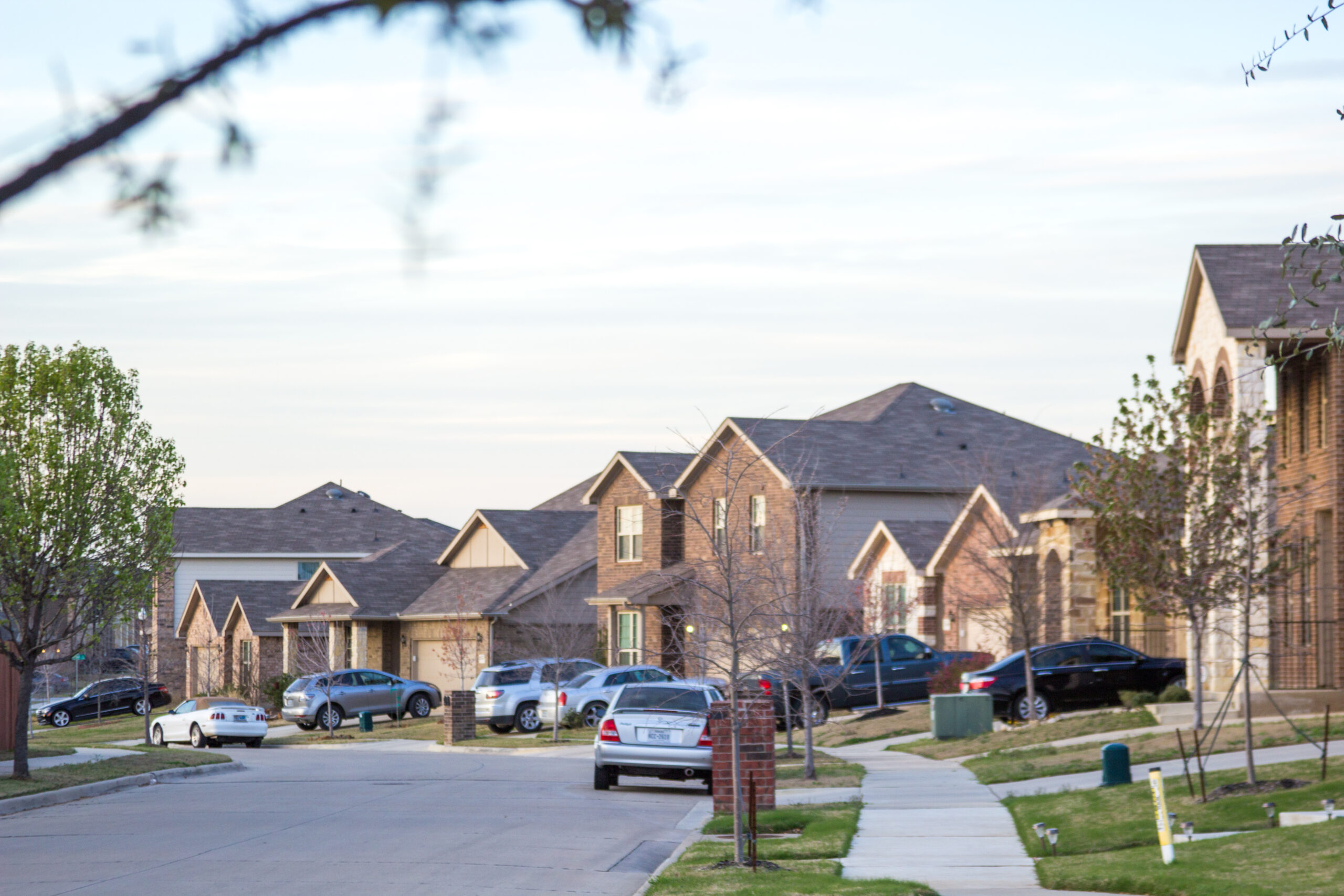
As of fall 2026, the median sale price in Virginia Beach has been around $430,000, so that’s roughly what a typical home goes for. That figure mixes every kind of home together, though.
If you split it out, detached single family homes have recently sold for a median of about $470,000, and townhomes and condos for closer to $305,000. Detached homes are going under contract within a few weeks and there isn’t much inventory, so you may not have long to think about a house you like.
Mortgage rates change every week. As of October 2026, the average 30-year fixed rate was about 7.4%, so we’ll use that.
As an example, a $430,000 home bought with no down payment, which is common for VA buyers, would have principal and interest of about $2,980 a month. VA loan rates are sometimes different from the average, and most VA buyers pay a funding fee unless they’re exempt. With property taxes added the payment goes over $3,300, and that’s before insurance and utilities.
This is a big part of why first-time buyers shouldn’t skip townhomes. At $305,000 and the same rate, principal and interest drop to about $2,110. Save some money for closing costs. That’s on top of whatever you put down.
You can try your own price and rate in our mortgage calculator.
Property Taxes in Virginia Beach
Real Estate Tax
The real estate tax rate homeowners pay in Virginia Beach is currently $0.97 per $100 of assessed value, and City Council looks at the rate every year. A home assessed at $430,000 would owe about $4,170 a year, which works out to around $348 a month in escrow. Assessments don’t always match what you paid for the house, so treat this as an estimate.
The Car Tax
Virginia Beach also charges a personal property tax on cars every year, at $4 per $100 of the vehicle’s assessed value, and a lot of people moving from other states don’t know about it until they get the bill. The state pays part of the tax on the first $20,000 of value for personal-use vehicles, but the share it covers changes from year to year. On a newer truck or SUV the bill can still be fairly large.
If you’re active duty and your legal residence is in another state, you don’t have to pay it. You send a current LES to the Commissioner of the Revenue, and you have to requalify every year.
Sales Tax, Meals Tax and Groceries
Sales tax here is 6%. Food from the grocery store only gets hit with 1%, which is nice.
Restaurant meals cost more because the city adds a 6% meals tax to the regular sales tax, which comes to about 12% on a restaurant bill. If dining out at the Oceanfront is a big part of your life, expect that to add up.
Virginia State Income Tax
Virginia’s income tax rates range from 2% to 5.75%. Because the top rate starts at $17,000 of taxable income, most of a typical paycheck is taxed at 5.75%.
Military retirees get a helpful break. Eligible retirees can subtract up to $40,000 of military retirement pay from their Virginia taxable income, which is worth knowing if you’re thinking about retiring here.
Utilities
Electricity in Virginia costs a little less than the national average, at about 17 cents per kilowatt-hour statewide compared with about 18 cents nationally. Summers are humid, though, so air conditioning usually runs a lot from June through September.
Water, sewer, stormwater and trash collection are billed together on the city services bill. Wastewater treatment is billed separately depending on how much water you use. Neither of these is part of your electric bill, so it helps to budget for them on their own.
Transportation
You’ll want a car. Virginia Beach is spread out and most people drive to work. Plenty of households have two cars. There is public transportation; most residents just don’t use it to commute.
The average commute is around 23 minutes, longer if you hit traffic on the interstate at rush hour. Gas prices bounce around, so pad your budget a bit. Living wage estimates for the area put transportation for a single adult at about $8,270 a year, which covers typical vehicle and travel costs. Add the car tax and it’s usually one of your bigger expenses after housing.
Flood Insurance
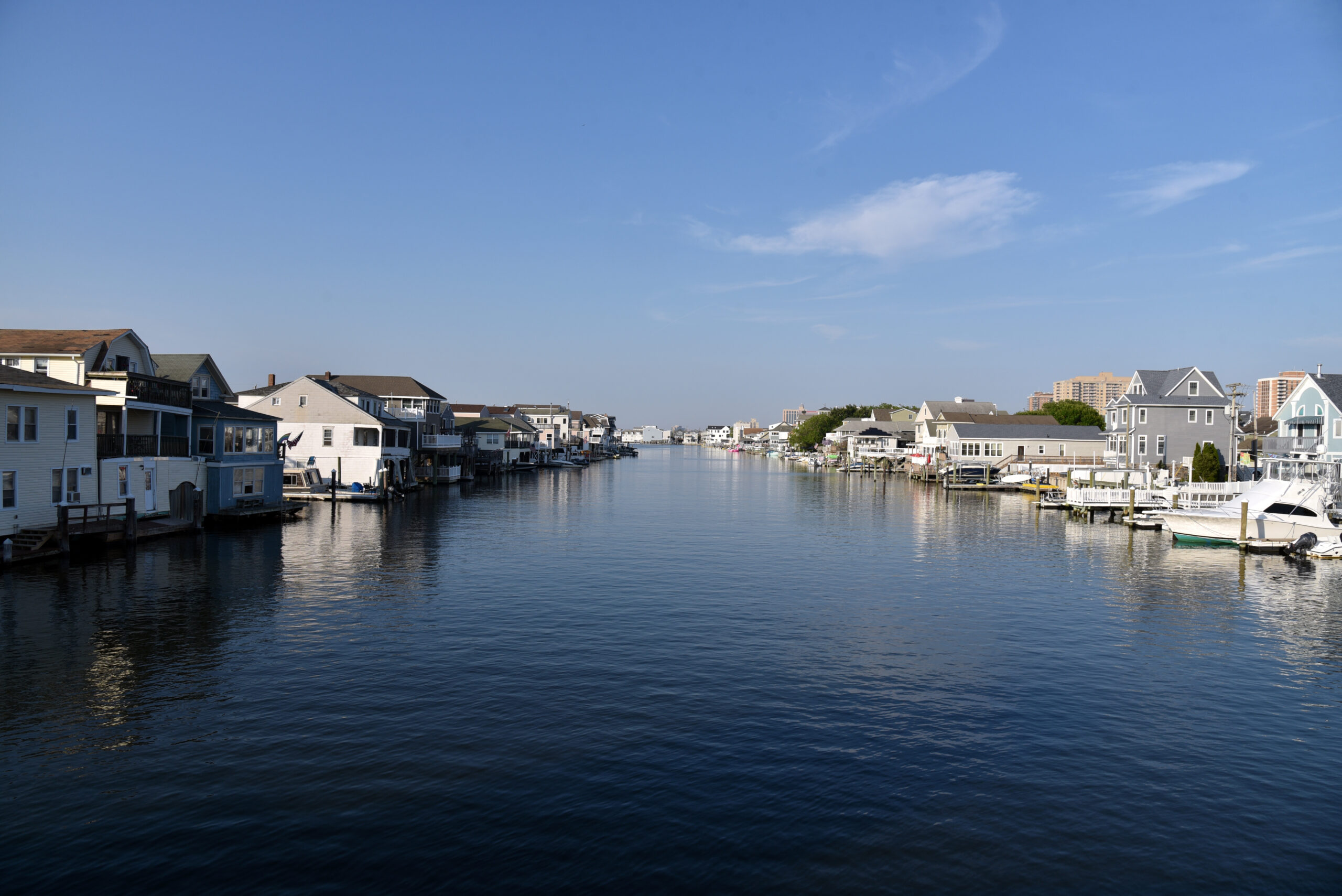
Flood insurance is something a lot of buyers don’t plan for. Much of Virginia Beach is low-lying and near the water, so the location of the house matters. If the home is in a high-risk flood zone and you’re getting a mortgage, the lender will require you to carry flood insurance.
Some policies are only a few hundred dollars a year. In high-risk zones they can cost a lot more, and premiums have gone up since federal flood pricing was overhauled in 2021. Get a quote before you make an offer. Two houses on the same street can have very different premiums.
Cost of Living for Military Families

Both NAS Oceana and Dam Neck Annex fall in the Norfolk/Portsmouth BAH housing area. BAH resets every January. Lately, with dependents, E-4 through O-3 have been getting roughly $2,200 to $2,700 a month. An E-5 with dependents is a little over $2,400.
Buying a median priced detached home at current rates costs more each month than BAH alone covers. Some buyers close the gap by choosing a townhome or by looking at homes a little farther from the Oceanfront. Using a VA loan with no down payment helps, and service members whose legal residence is in another state don’t pay the car tax.
Our team has helped more than 4,500 families in Hampton Roads, and we’re happy to help you work out what your BAH will cover.
Is Virginia Beach Expensive to Live In?
Affordability depends on what you compare Virginia Beach with. It’s a lot cheaper than a big coastal city like New York. In a comparison with a small inland town, though, it’s more expensive.
Compared with the rest of Hampton Roads, home prices here are on the high side. Virginia Beach recently had the highest median price for detached homes of the region’s seven largest cities, and eating out costs more because of the meals tax. Electricity is cheaper than in much of the country, though, and groceries are only taxed at 1%. For people who want beach access and a coastal lifestyle, the higher cost of housing is often worth it.
To explore how prices vary around the city, start with our guide to Virginia Beach neighborhoods, and you can also look through current homes for sale in Virginia Beach.
Ready to Make the Move?
If you’d like help with your budget, contact Davis & Reed Realty. We can help you determine what you can afford and what your monthly costs would be before you commit to anything.
